

Sale!
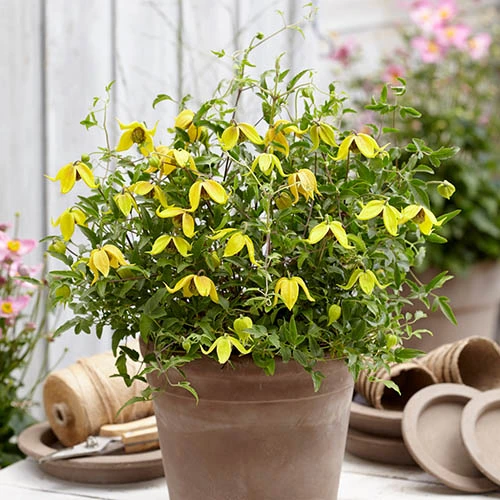
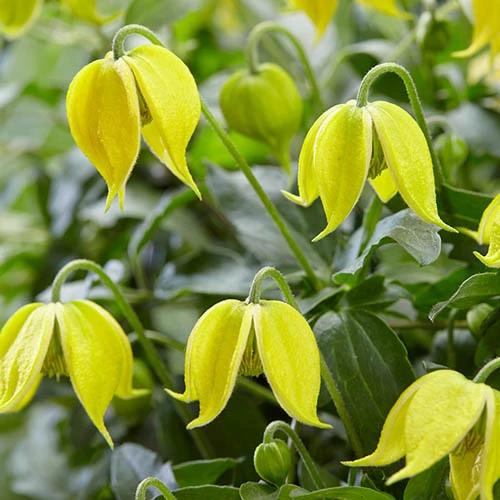
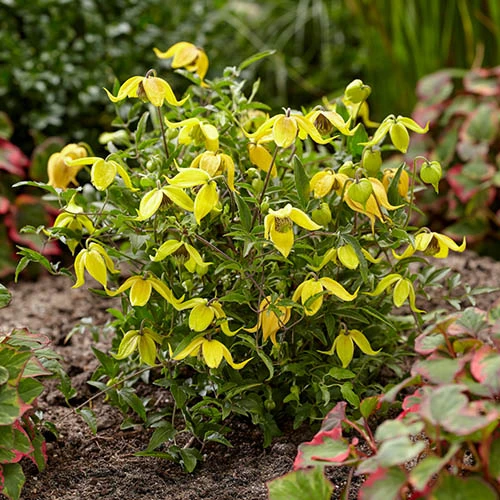
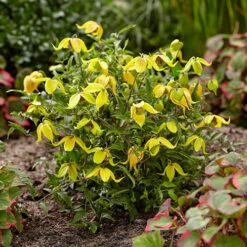
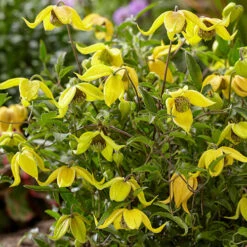
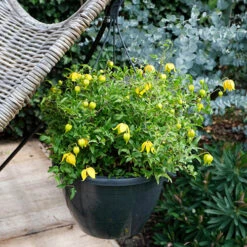
Basket Clematis Tangutica ‘Little Lemons’
Original price was: £24.99.£17.49Current price is: £17.49.
- Safe Payments for a Better Shopping Experience
- Easy, Fast Returns Guarantee
- Shop with Confidence
- Safe Payments, Happy Customers

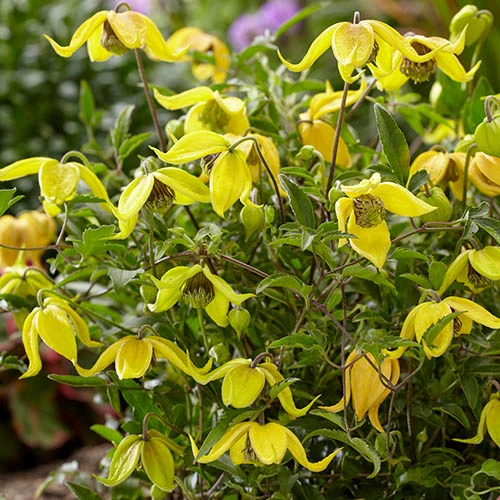
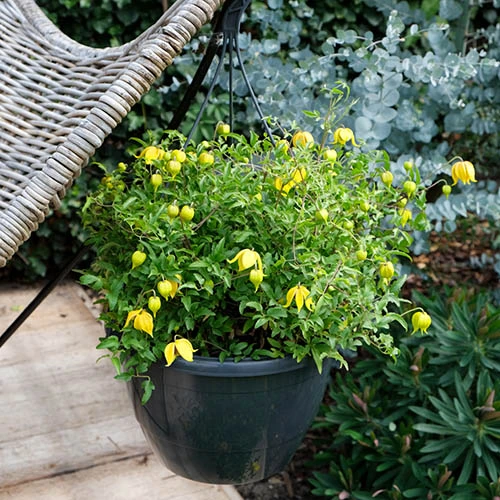
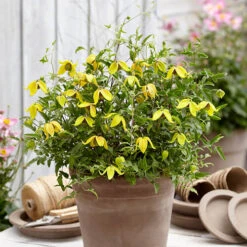
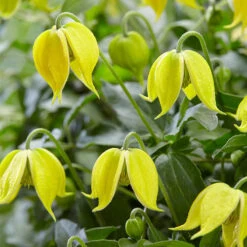
Unusually for a clematis this little beauty has a bushy rather than climbing habit, making it perfect for hanging baskets and pots. This deciduous perennial is covered in delightful, nodding lemon yellow flowers throughout spring and summer, followed but fluffy autumn seed heads.
Top Tips
Clematis like a cool ?root run? so try and plant so that the roots are shaded. If you are planting in a sunny position, place some pieces of slate or flat stones on the soil after planting or use groundcover plants to keep the roots cool.
Care Guide
Planting your Clematis:
- Dig a planting hole 3 x wider than the roots of the shrub you’re planting and mix some well-rotted compost or manure with the soil from the hole and use this to re-fill once the clematis is in place.
- Before planting soak container-grown shrubs thoroughly and allow to drain.
- Remove the plant from its pot and tease out a few of the roots.
- Add Mycorrhizal fungi to the roots when planting to help plants establish quicker.
- Plant with the crown of the plant 5-8cm deep to encourage new shoots to grow from below ground level.
- Refill the hole with the earth removed (backfilling) and firm in the soil, avoiding the root ball.
- Water well
- Alternatively, plant up in a basket or decorative pot for an instant display.
Aftercare advice for your clematis:
- Feed in spring with a general-purpose feed, avoiding the stems. Mulch immediately afterwards with organic matter such as well-rotted manure, leaf mould or garden compost.
- Water regularly during periods of dry weather in the first few seasons after planting, especially for container plants.
- Clematis in pots should be given a liquid feed through the summer and early autumn.
Pruning Your Clematis:
- Pruning is a case of a simple tidy up – in late winter/early spring simply reduce all stems down to 15cm (6in) of soil level.
- Apply a slow-release balanced fertiliser and a mulch of well-rotted garden compost around the plant.
Be the first to review “Basket Clematis Tangutica ‘Little Lemons’”
Related products
Sale!
Plants
Original price was: £14.99.£10.49Current price is: £10.49.
Sale!
Original price was: £12.99.£9.09Current price is: £9.09.
Sale!
Plants
Original price was: £24.99.£17.49Current price is: £17.49.
Sale!
Original price was: £24.99.£17.49Current price is: £17.49.
Sale!
Plants
Original price was: £24.99.£17.49Current price is: £17.49.
Sale!
Plants
Original price was: £29.99.£20.99Current price is: £20.99.
Sale!
Plants
Original price was: £29.99.£20.99Current price is: £20.99.
Sale!
Plants
Original price was: £12.99.£9.09Current price is: £9.09.
Reviews
There are no reviews yet.