

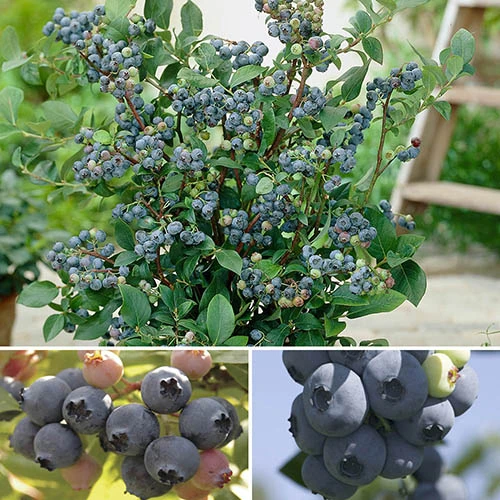
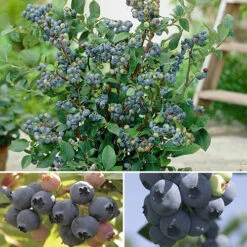
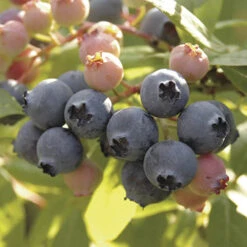
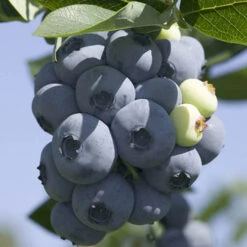

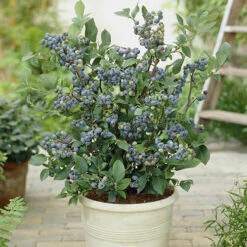
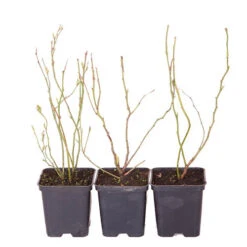
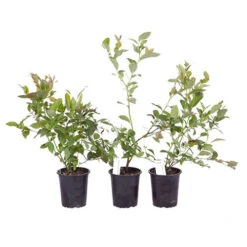
Blueberry Collection
Original price was: £14.97.£10.48Current price is: £10.48.
- Safe Payments for a Better Shopping Experience
- Easy, Fast Returns Guarantee
- Shop with Confidence
- Safe Payments, Happy Customers

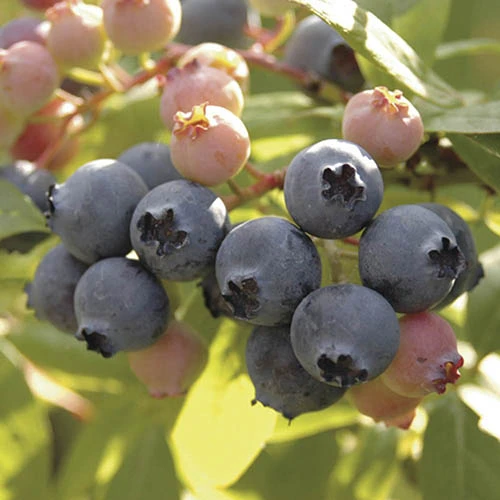
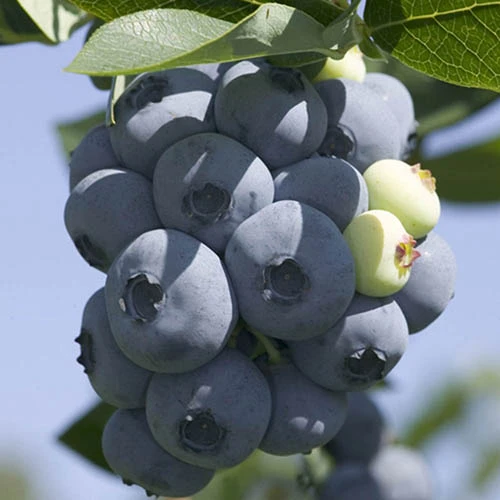
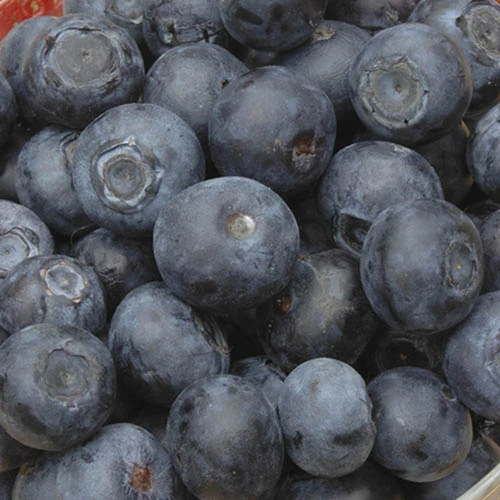
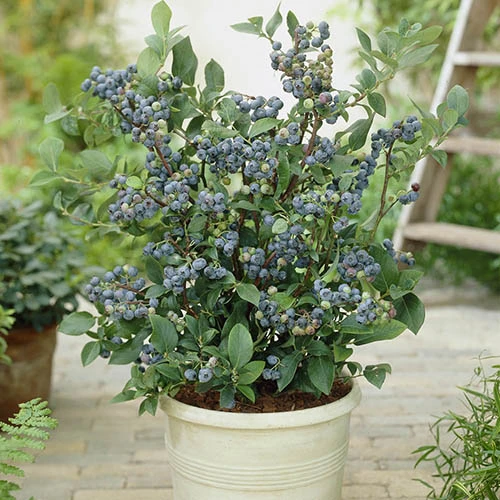
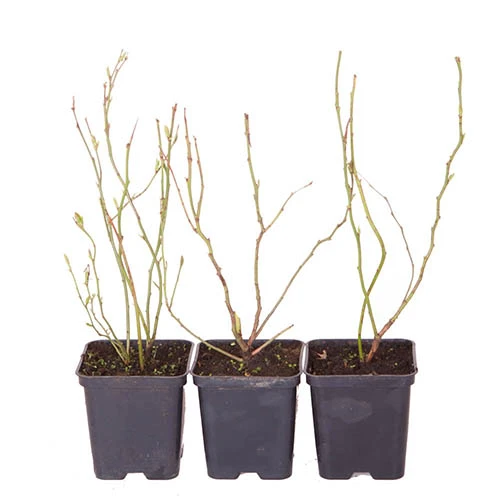
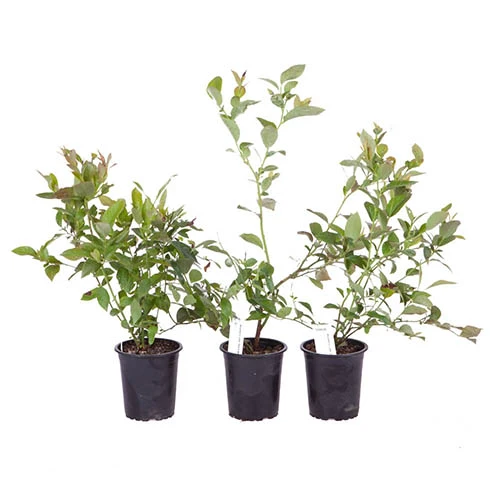
You’ll have fresh Blueberries for pies, preserves or simply eating alone with this Blueberry Collection for many years to come. Comprising of three different varieties, you will have an abundance of delicious that are packed full of vitamins and minerals as well as antioxidants for months. Comprising of ?New Hanover? the earliest cropping and a heavy cropper with fruits of a good size but with a delicious wild blueberry flavour. The mid-season variety, ‘Blueray’ – A popular and tasty blueberry that provides big crops of juicy sweet fruits. Lastly, ‘Ozark Blue’, the latest cropper in the collection that provides a large crop of delicious berries. One of the most popular varieties of blueberries and a real favourite of chef. Remember to use ericaceous (slightly acidic pH) compost, as all blueberries are lime intolerant. Supplied as 3 x established plants in 9cm pots, ready to plant.
Top Tips
- While tolerant of shade, blueberries crop better in the sun.
- Cover plants with netting when in fruit, otherwise you’ll just end up feeding the birds!
- Pick over the plants several times as not all the fruit ripens at the same time.
- Fruits can be left on the bush for a few more days after they turn blue for a more intense and complex flavour, when they’ll also easily pull away from the cluster.
- Although self fertile and able to produce a good crop on their own, blueberries yield much more heavily if planted near another one.
Care Guide
- Plant in well-drained, acidic soil in a sunny, sheltered spot.
- If your garden soil has a pH over 5.5, your blueberry is best grown in a pot, in ericaceous soil. Keep it well-watered – don?t allow the soil to dry out.
- Water blueberries with rainwater if you can as tap water will gradually raise pH levels.
- Feed every month with a liquid fertiliser for ericaceous (lime-hating) plants.
- If growing blueberries in the garden, add plenty of organic matter such as pine needles or composted conifer clippings. Avoid farmyard manure as it will scorch the roots.
- Pruning is rarely needed in the first two years. After that prune in late Feb ? early Mar, aiming to remove a proportion of old wood every year. Two year-old wood is the most productive.
- Take out any damaged, dead, and diseased wood and prune out low branches that will lie on the ground when full of fruit.
Be the first to review “Blueberry Collection”
Related products

Plants
Plants



Plants
Plants
Plants
Reviews
There are no reviews yet.