
Sale!
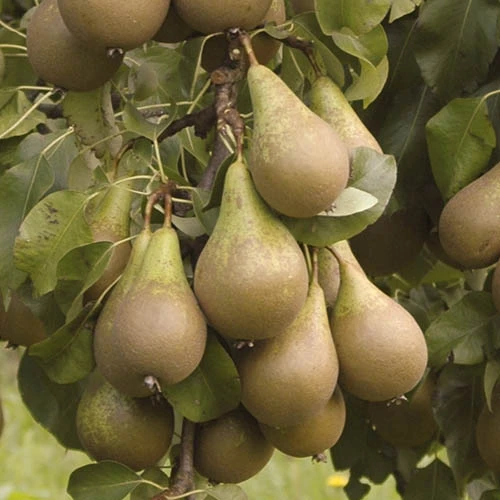
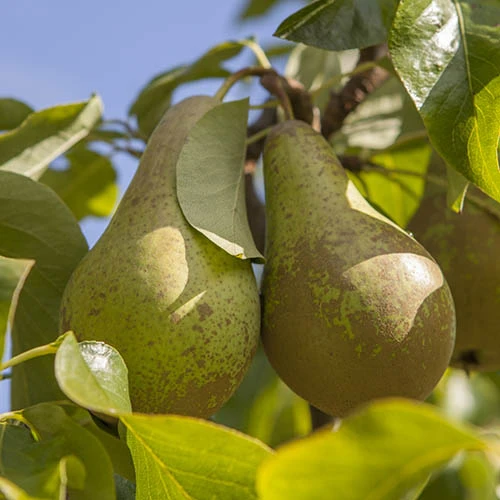
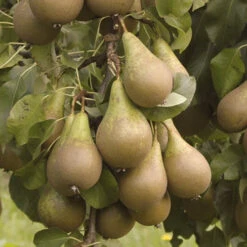
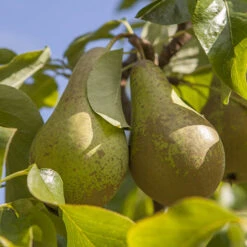
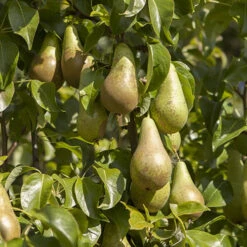
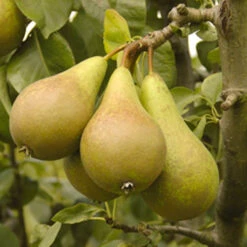
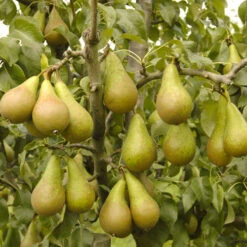
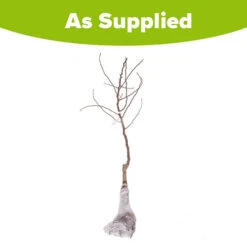
‘Conference’ Pear Tree
Original price was: £24.99.£17.49Current price is: £17.49.
- Safe Payments for a Better Shopping Experience
- Easy, Fast Returns Guarantee
- Shop with Confidence
- Safe Payments, Happy Customers

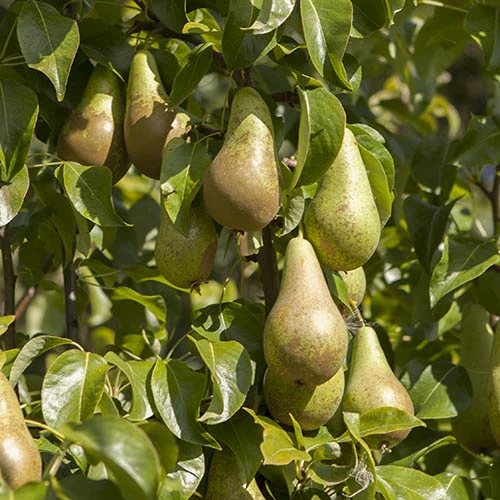
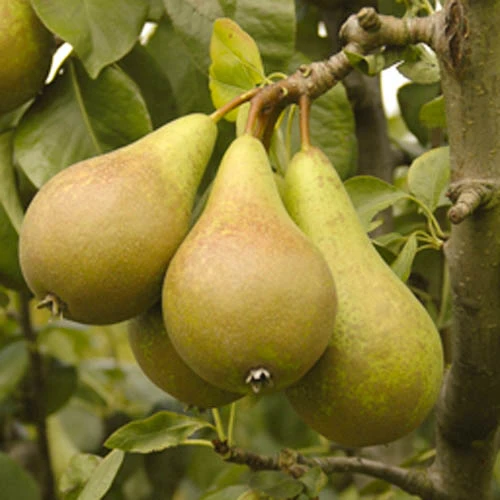
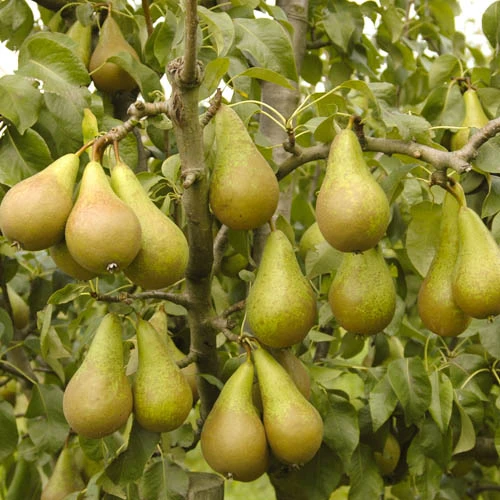
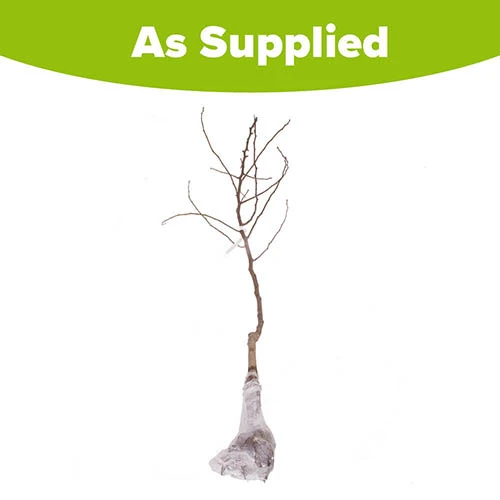
Conference pears are a medium-sized fruit with an absolutely delicious flavour, and now you can grow your own. Once matured, these trees will produce great crops. They are self-fertile and will need no nearby pollinators. Please keep in mind that you may not see much in the way of fruiting for the first 3 – 5 years. Delivered as a bare root dormant tree on a dwarfing rootstock, 1.35-1.45m tall, to plant straight out from November until May, reaching a height and spread of 2.5m.
Top Tips
- Place your tree in a sunny positions for the best crops.
Care Guide
- Soak the bare root for several hours or overnight.
- Select an appropriate spot for your plants, making sure that you give them enough space to grow to their full size.
- Dig a hole twice the width of the roots, forking over the bottom to loosen the soil, and add some good quality fertiliser such as Blood Fish & Bone (wash your hands afterwards!).
- Aim to plant at the same depth as the soil mark on the trunk.
- Holding the tree or plant upright in position with one hand, slowly backfill the hole with soil, and gently shake the plant, so the soil falls back around the roots.
- Use your heel to compact the soil around the plant to ensure good contact around the roots.
If you’re planting into pots, place some old rocks, stones or gravel in the bottom of the pot for drainage and ballast. - Use the best compost you can buy – our Premium Professional Compost mix is particularly good – and some sand or grit to aid drainage.
- You are again aiming to plant to the depth of the soil mark.
- Firm down as you fill and press down hard with your heel when the pot is full.
- Add a tree stake and ties
- Water the plants weekly – especially in dry weather – for the first 8 weeks or so.
- When the soil and air warm up from late March onwards, you should see the plant burst into life.Do not allow plants to dry out in the first four months after planting.
- Once established for one season, they will become much more tolerant to a lack of water, as the root system develops.
- Your pear tree will not need drastic pruning; just remove any crossing or damaged branches. Any lower branches can be removed if you want to achieve a clear trunk. Otherwise, in subsequent seasons cut back any strongly growing branches by one third to promote the formation of fruiting spurs.
Be the first to review “‘Conference’ Pear Tree”
Related products
Sale!
Plants
Original price was: £19.99.£13.99Current price is: £13.99.
Sale!
Plants
Original price was: £14.99.£10.49Current price is: £10.49.
Sale!
Plants
Original price was: £14.99.£10.49Current price is: £10.49.
Sale!
Original price was: £12.99.£9.09Current price is: £9.09.
Sale!
Original price was: £19.99.£13.99Current price is: £13.99.
Sale!
Plants
Original price was: £19.99.£13.99Current price is: £13.99.
Sale!
Original price was: £19.99.£13.99Current price is: £13.99.
Sale!
Original price was: £12.99.£9.09Current price is: £9.09.
Reviews
There are no reviews yet.