
Sale!
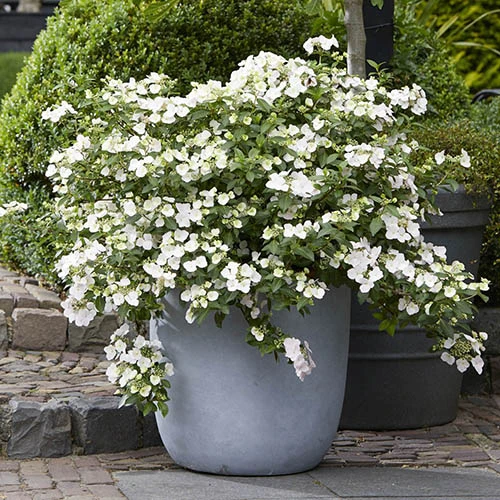
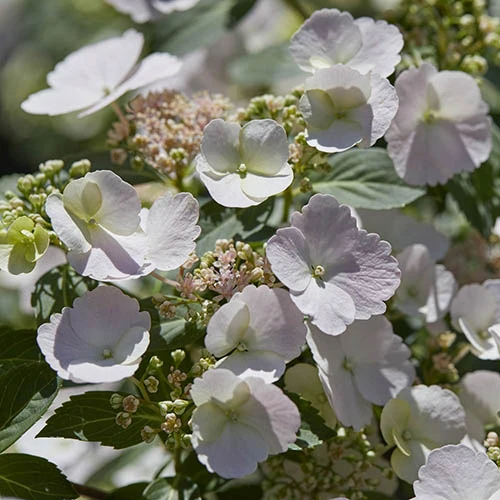
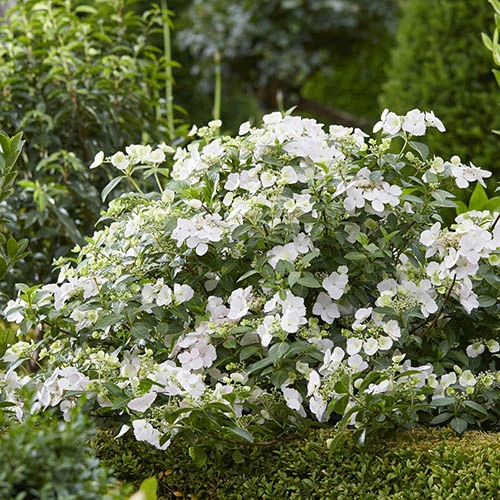
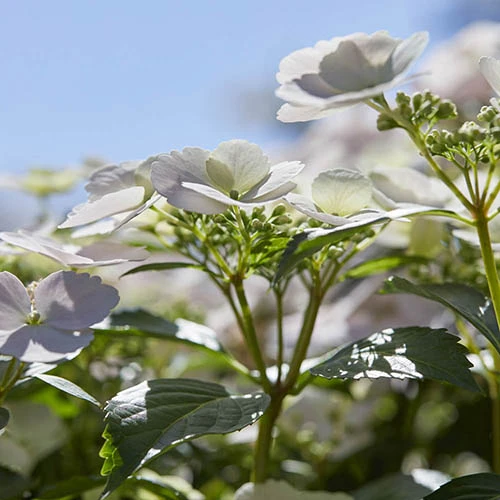
Hydrangea ‘Runaway Bride’
Original price was: £24.99.£17.49Current price is: £17.49.
- Safe Payments for a Better Shopping Experience
- Easy, Fast Returns Guarantee
- Shop with Confidence
- Safe Payments, Happy Customers

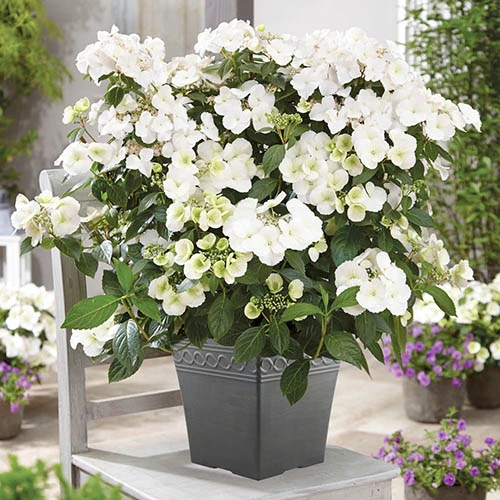
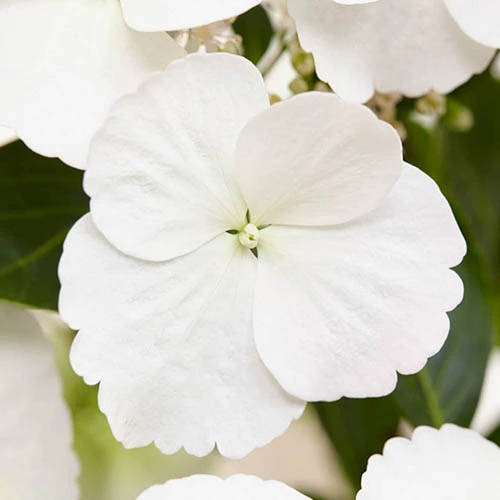
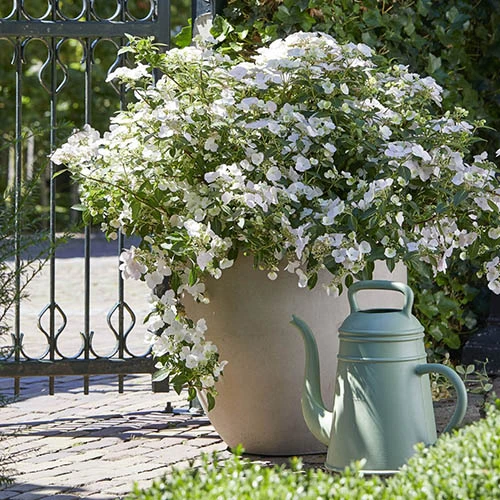
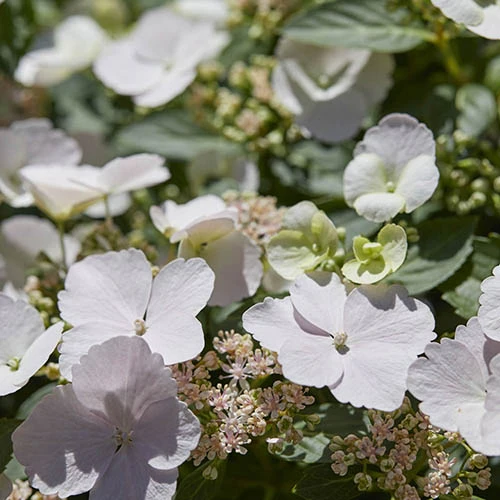
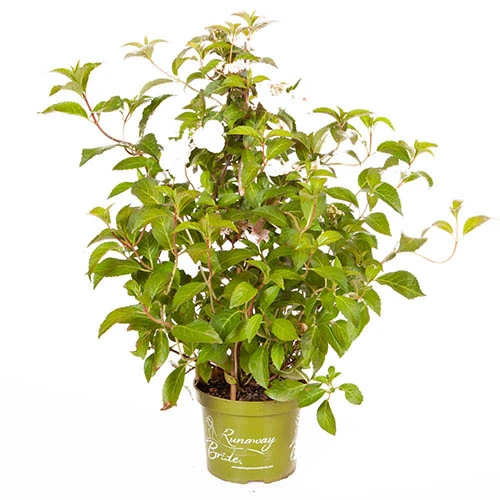
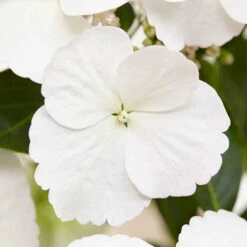
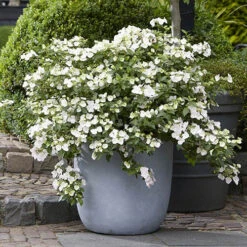
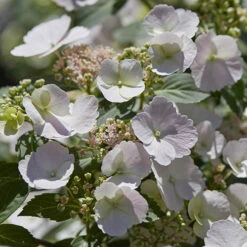
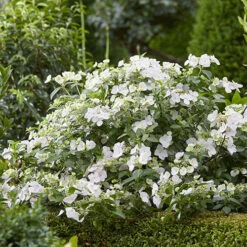
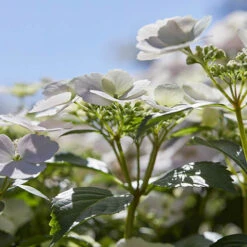
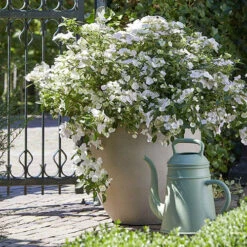
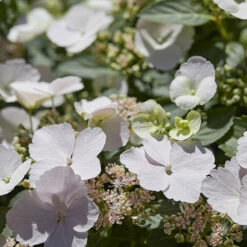
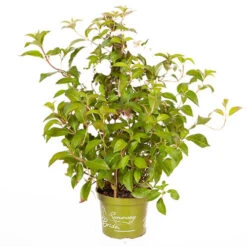
This hydrangea blooms alone the length of its stems instead of only on the ends, producing a garland-like effect of pure white lace cap blooms, and the colour does not change with soil pH. It has a compact habit, making it suitable for growing in pots as well as in the ground.
Top Tips
Hydrangeas do not like to dry out. In dry weather, soak the roots with a hose and the plant will usually recover, and in any case, water regularly until plants are fully established.
Care Guide
- Really low maintenance – just plant in position, water well, and add some fertiliser – they?ll burst into growth and flower profusely all summer!
- This plant is at its best in a compost-enriched, moist soil as long as it is well drained, in sun or partial shade.
Can be planted in sun or light shade. - Hardy in the UK, frost can cause a lot of damage to young buds, reducing the number of flowers, so it?s advisable to protect your plant with fleece if freezing weather is likely.
- Remember to water regularly and deeply.
- Pruning:
Leave the faded hydrangea flower heads in place until the new buds swell in spring to protect the delicate new shoots from frost damage – they look gorgeous covered with frost, and of course they’ll provide shelter for overwintering wildlife.
Cut back the flowered stems to a strong pair of buds in early spring.
Remove any branches that are damaged or dead as well as any that are misplaced.
After pruning hydrangeas, apply a mulch of well-rotted manure or compost around the base of the plant.
Once established, remove a quarter to a third of the shoots to the base of the plant each year to encourage the production of new, replacement growth that will carry more flowers.
Be the first to review “Hydrangea ‘Runaway Bride’”
Related products
Sale!
Plants
Original price was: £14.99.£10.49Current price is: £10.49.
Sale!
Plants
Original price was: £29.99.£20.99Current price is: £20.99.
Sale!
Original price was: £24.99.£17.49Current price is: £17.49.
Sale!
Plants
Original price was: £12.99.£9.09Current price is: £9.09.
Sale!
Original price was: £19.99.£13.99Current price is: £13.99.
Sale!
Plants
Original price was: £14.97.£10.48Current price is: £10.48.
Sale!
Original price was: £12.99.£9.09Current price is: £9.09.
Sale!
Plants
Original price was: £14.99.£10.49Current price is: £10.49.
Reviews
There are no reviews yet.